


Ecocampor RV Collection
Folding campers and practical trailer layouts, ready to explore.
Compare tent and folding camper trailers by setup, sleeping layout, storage and equipment. Tradesman and utility models are also listed for buyers sourcing functional trailers.
Use the model specifications to build your shortlist, then discuss equipment, branding and order quantities for your market.
500–1,600 kgIncludes listed camping, tradesman and utility trailers.
3,200–5,950 mmIncludes listed camping, tradesman and utility trailers.
Tent / folding / utility layouts
2–4 peopleCamping models only; varies by configuration.
Sleeping capacity
2 people
Sleeping capacity
4 people
Sleeping capacity
2 people
Sleeping capacity
2 people
Sleeping capacity
4 people
Sleeping capacity
4 people
Trailer type
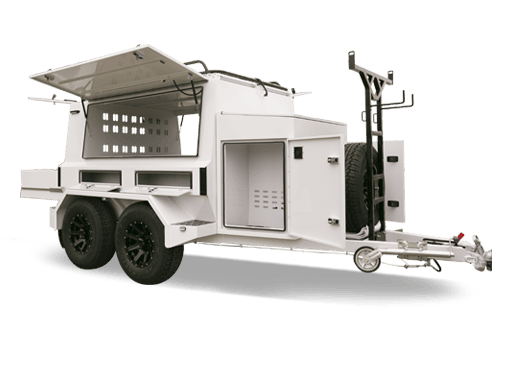
Tradesman trailer
Trailer type
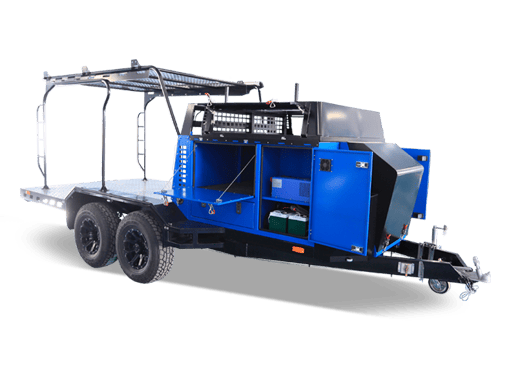
Tradesman trailer
Trailer type
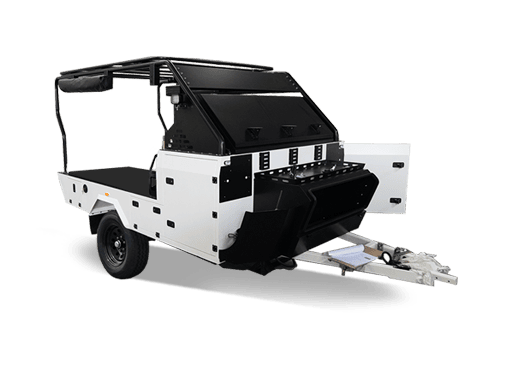
Utility trailer
Trailer type
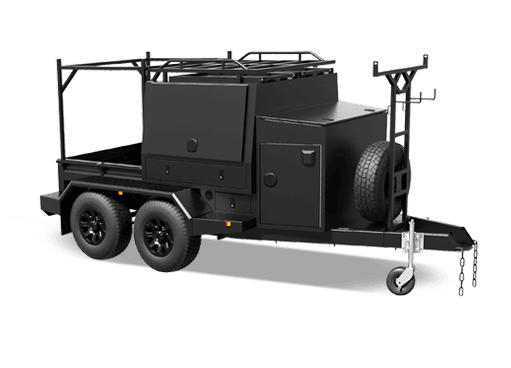
Utility trailer
Compare quotations on the same basis: model, included equipment, order quantity, branding and packing. Confirm the specification and delivery terms with our team before placing your order.
Discuss the inspection points and operating checks for your selected model. Confirm which records and acceptance requirements form part of your order.
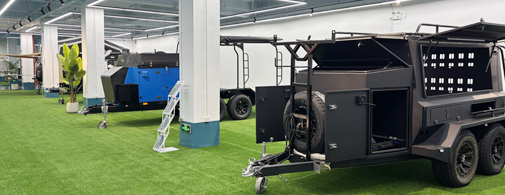
Review available models, floor plans and equipment arrangements. Use your shortlist to discuss fit, specifications and configuration with our team.
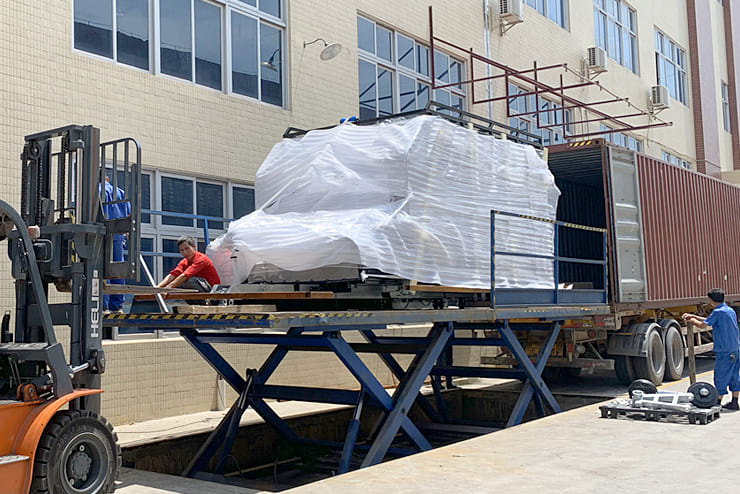
Lead times depend on the confirmed model, configuration and order quantity. Agree the production schedule, packing and shipping terms before placing your order.

Request the available documents for your selected model and destination market. Confirm their scope, validity and any additional local requirements before ordering.
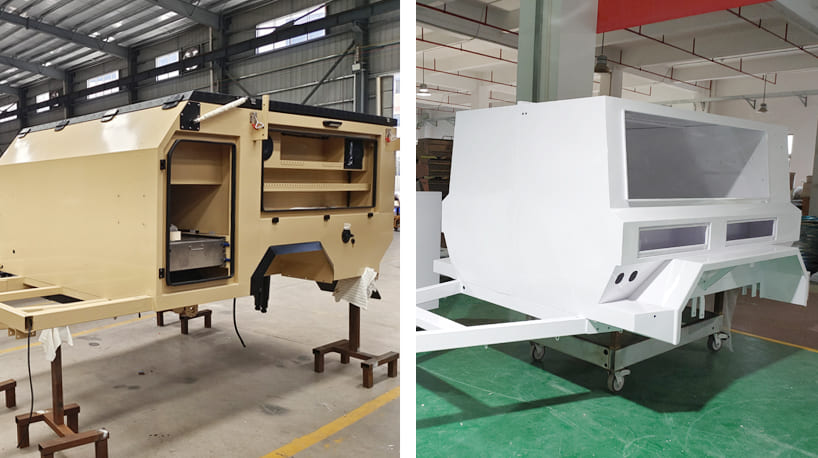
Five stages to review when specifying your camper. Construction and equipment details vary by model and agreed configuration.
All current Ecocampor RV chassis use robotic welding. Watch the factory footage to see the welding cell and a close-up of the finished welds.

The body defines the trailer's storage and equipment positions. Review compartment access, door openings and the space required for the selected kitchen or cargo arrangement.
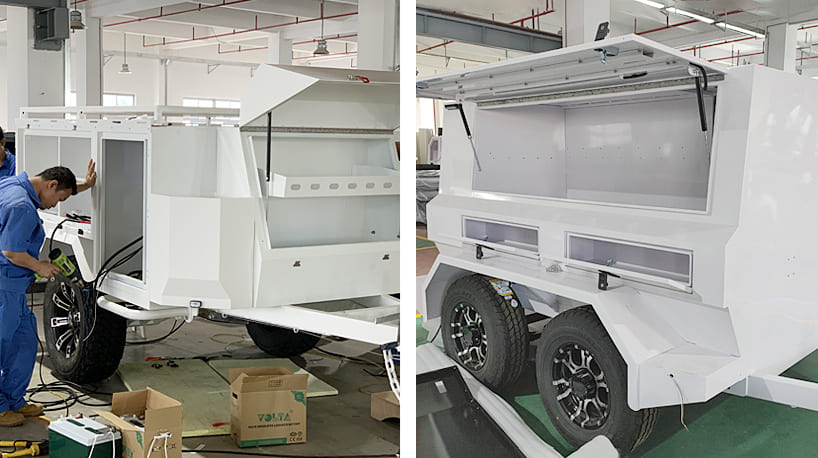
For folding and tent campers, review setup dimensions, fabric specification and opening mechanisms. Utility trailers use model-specific lids or doors instead of a sleeping enclosure.
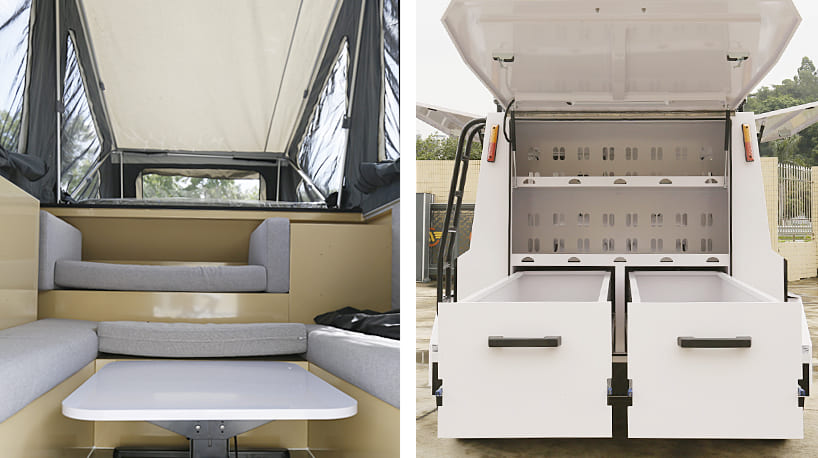
Kitchen, water, electrical and storage equipment depend on the chosen model. Distinguish included equipment from options before confirming the order specification.
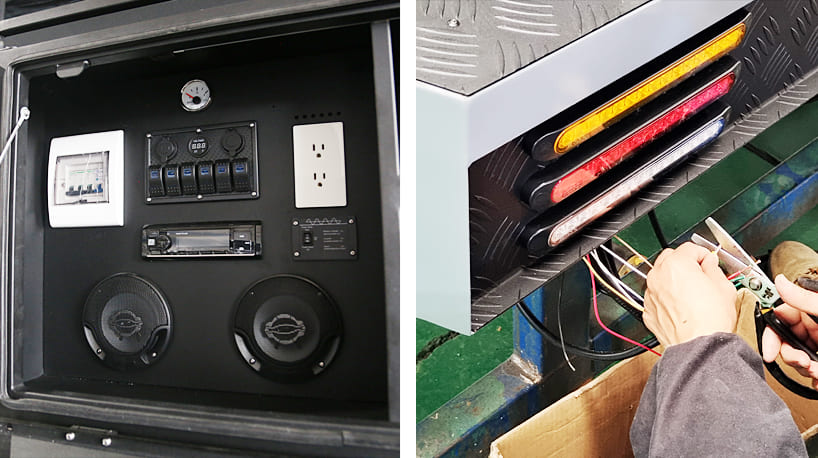
Final assembly brings the body, running gear and equipment together. Confirm the inspection scope, operating checks, packing and delivery documentation for the selected trailer.
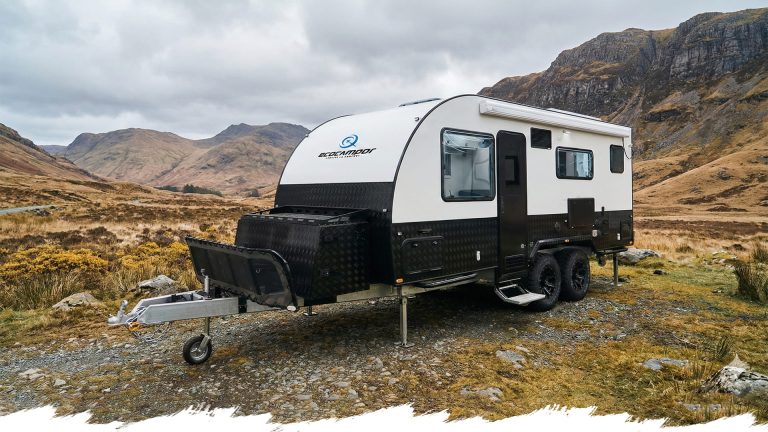
Browse model layouts, dimensions and equipment in one place. Use the catalogue to build your shortlist.
Compare caravans, pop-top layouts and toy haulers by floor plan, equipment and towing requirements.
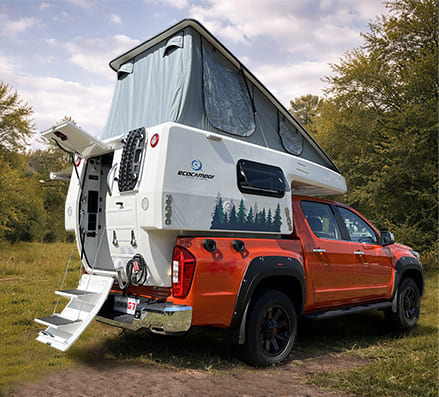
Explore pickup-mounted campers. Compare body dimensions, tare weight and layout, then confirm fitment for the intended vehicle.
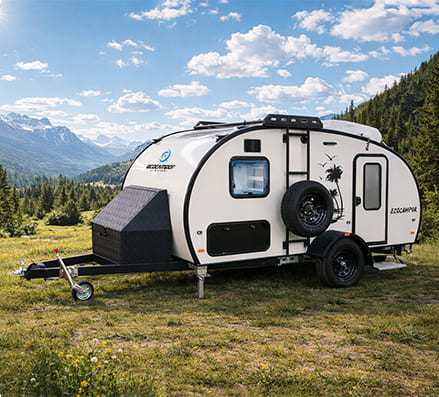
Compare compact campers by cabin space, sleeping layout and kitchen arrangement. Equipment and rooftop options vary by model.
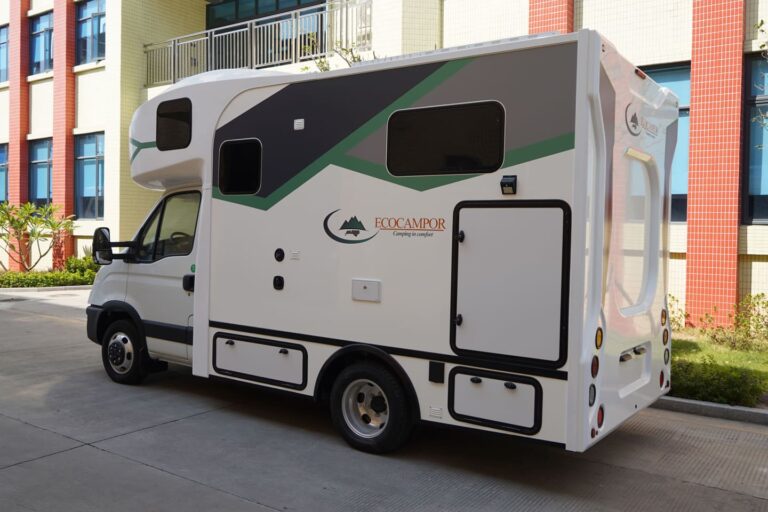
Explore self-propelled RV layouts that combine the cab and living area. Review chassis, dimensions and equipment for the selected model.

For dealers, importers and wholesale buyers. Tell us your target market, preferred models and estimated quantity to discuss your product range.
Tell us about your market and the camper trailer models you need. Start a conversation about your next product range.
Prefer email?
tom@ecocampor.com
Start with your customers' camping style, typical tow vehicles and expected terrain. Compare packed size, setup steps, sleeping layout and equipment across the shortlisted models. A compact weekend camping product and a trailer intended for longer trips may need different configurations, so build your range around clearly defined use cases.
Request the trailer's configured weight, maximum permitted loaded weight and hitch-load information. Match these to the exact tow vehicle, coupling, braking and towing limits in your market. Allow for passengers, luggage and added equipment in the tow vehicle as well as supplies carried in the trailer.
Describe the actual routes and operating conditions you expect customers to encounter. Review ground clearance, chassis construction, suspension, tyres, coupling and load limits for the selected model. Ask which operating conditions the specification covers; an off-road description alone does not establish suitability for every surface or load.
Ask for a model-specific setup sequence, including stabilising, opening any folding sections and connecting the equipment. Check the space needed around the trailer when fully deployed. Your sales team should be able to explain both the towing configuration and the campsite layout using the actual model rather than a generic setup-time claim.
Review bed measurements, access and the use of convertible seating or folding sections. A stated sleeping capacity does not show how the space works for a particular family. Request the relevant floor plan and identify which beds remain available when kitchen, storage and other equipment are in use.
Confirm the construction and care requirements of the selected model's roof, seals and any fabric sections. Request instructions for drying, ventilation and storage after a trip. Include these steps in dealer handover materials, and review maintenance needs for your local climate before choosing the specification.
List the appliances, expected trip length and likely access to campsite power and water. Ask for a configuration that identifies included equipment, optional upgrades and their effect on weight and storage. Confirm electrical compatibility with the destination market before finalising your dealer specification.
Send your company details, destination, shortlisted models and expected quantity. Describe your customers' camping use, required equipment and any private-label requests. Ask for the model specification, packing or transport arrangement, order terms and proposed schedule to be reviewed together so you can compare quotations on a consistent basis.