

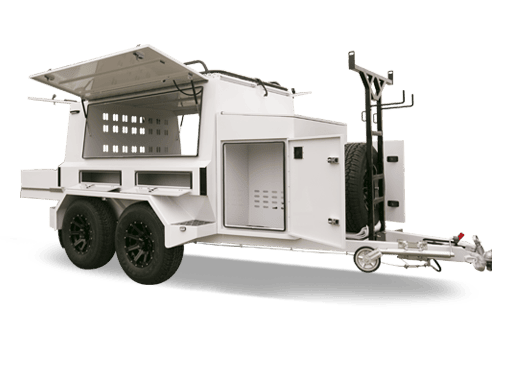
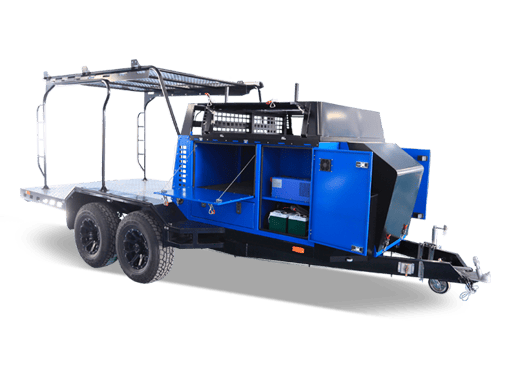
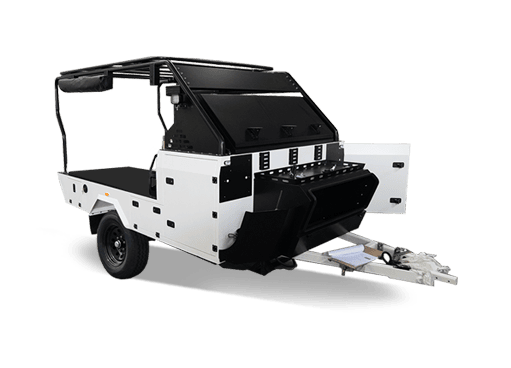
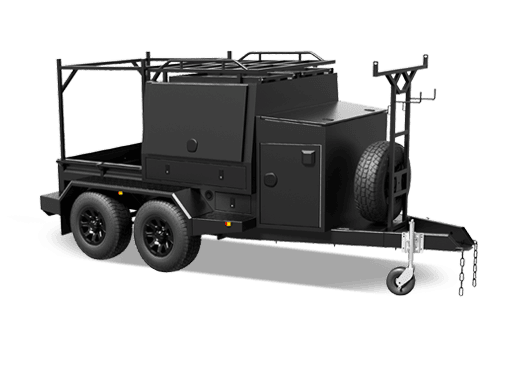
Below are some of the best-selling RV models and travel trailers for you to consider for your private label.
As a leading RV camper manufacturer, Ecocampor boasts a skilled team of certified engineers, designers, sales consultants, and production experts. We specialize in developing a variety of travel trailers, including custom designs for off-road camping trailers and models with bathrooms. With advanced testing, production, and packaging capabilities, we’re committed to turning your camper ideas into reality.
Approx. 2,240 - 13,920 Ibs
Approx. 15' - 42'
Up to 3
Up to 14
Sleeps
1 Bed
Sleeps
2 Bed
Sleeps
2 Bed
Sleeps
2 Bed
Sleeps
2 Bed
Sleeps
2 Bed
Sleeps
2 Bed
Sleeps
1 Bed
Sleeps
1 Bed
Sleeps
1 Bed
Whether you need one camper or a fleet, we tailor our pricing to your volume and requirements. You always see the full cost upfront, backed by solid construction and long service life at a cost far below high-end competitors.
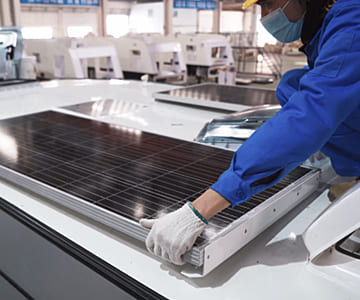
From chassis coating to final checks, our process guarantees reliable strength – certified, tested, and built to last for years.
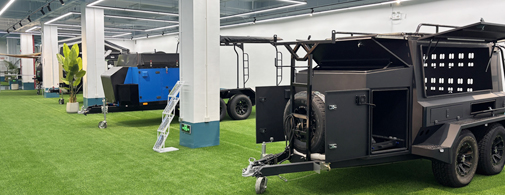
Explore our latest travel trailers, truck campers, camper trailers, and motorhomes in a spacious 2,000m² showroom.
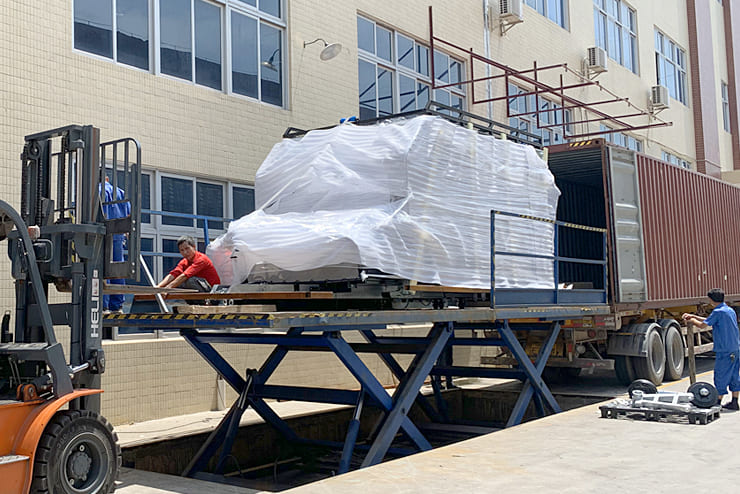
From order to doorstep, we minimize delays: 2‑5 day processing, efficient freight, and full tracking support.
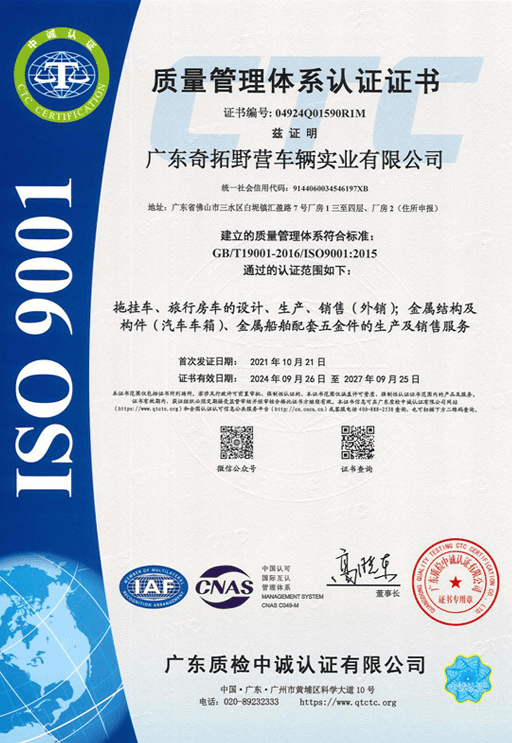
Trust our full system certifications: CE, ISO 9001, WMI, as well as ADR, EPR, and Australian standards for global peace of mind.
These details are why you should choose Ecocampor as your RV camper manufacturer.

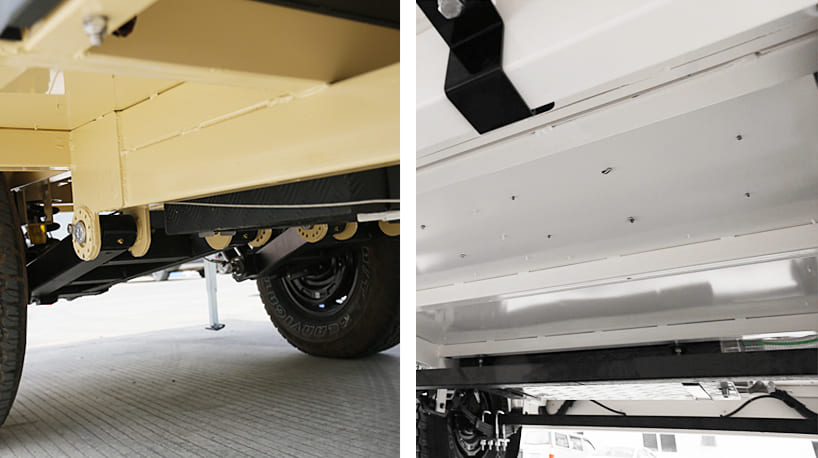
The foundation of every camper trailer and function trailer begins with a robust, lightweight chassis. Crafted from high-strength steel or aluminum, it ensures durability and stability for on-road and off-road performance.
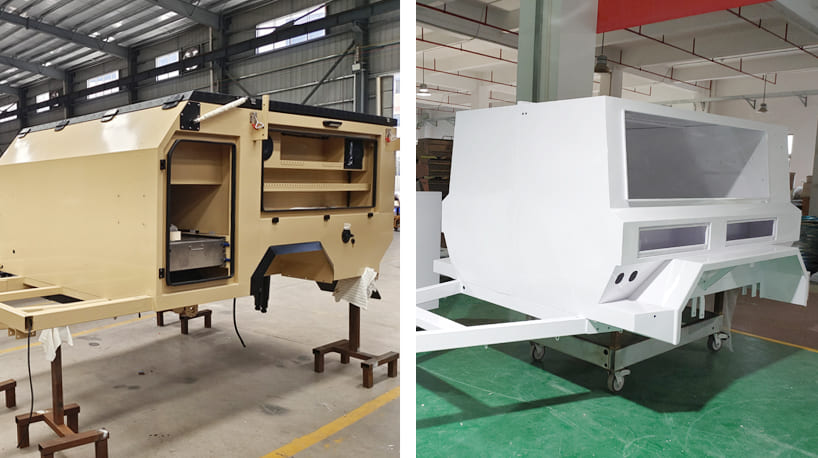
We build a solid framework using powder-coated steel or aluminum tubing. This stage ensures structural strength and long-lasting support for both camper and utility trailers.
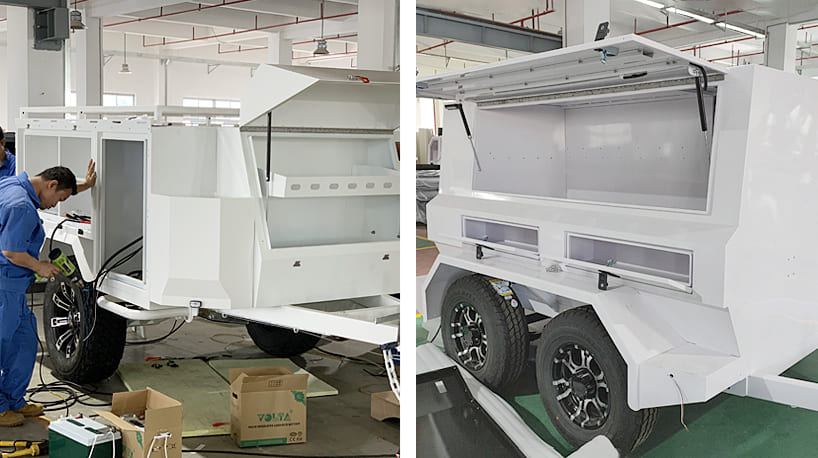
For weather protection and insulation, we use aluminum checker plates, FRP panels, and composite materials. Roofs and outer shells are designed to withstand extreme weather conditions and heavy usage.
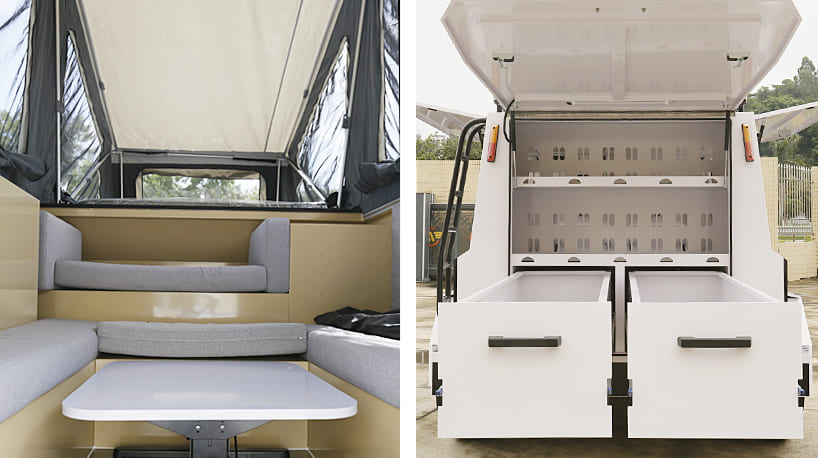
For camper trailers, interiors are fitted with sleeping areas, kitchenettes, storage cabinets, and optional bathrooms. For function trailers, we install racks, toolboxes, ladder storage, and customizable compartments.
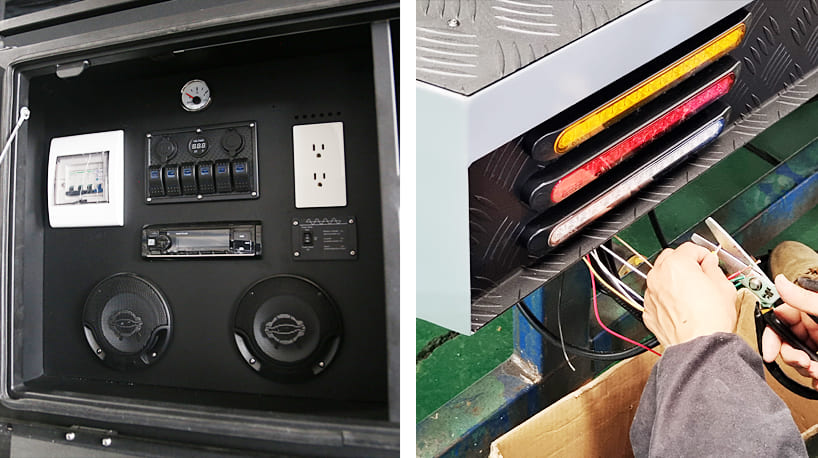
Electrical wiring, lighting, ventilation, and final touches are added. Every trailer undergoes strict quality inspection and testing to meet international manufacturing standards.
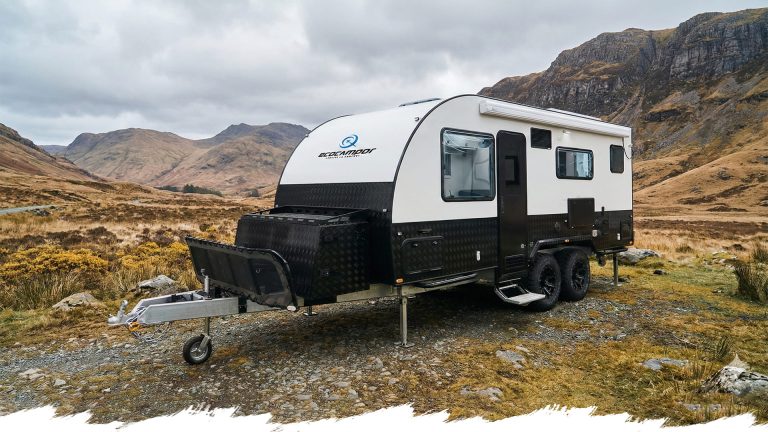
Request product information for your dealership, including model specifications, equipment options and details to help you compare your shortlist.
Many people think of toy haulers as the wild-child of the RV world, but these RVs have multi-purpose utlitity for every adventurer. The open "garage" can serve as storage for toys, an extra bedroom or even an on-the-go office.
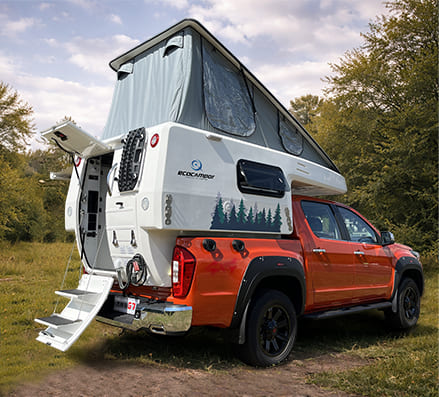
Truck campers are the ultimate space-saving RVs, designed to slide directly into a pickup truck bed with no need for towing. They make clever use of every inch, often featuring side awnings that expand outward and a pop-up roof that adds standing height, giving you a surprisingly roomy living area while keeping your vehicle short and maneuverable.
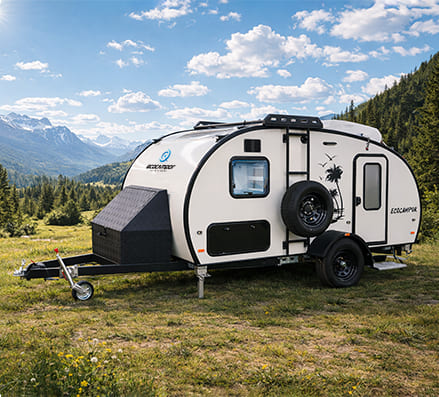
Easy to hitch, easy to tow, and stable, fifth wheels offer plenty of comfort for the whole family. Versatility and space are the reasons why RVers choose fifth wheels for their trips or for their full-time homes.
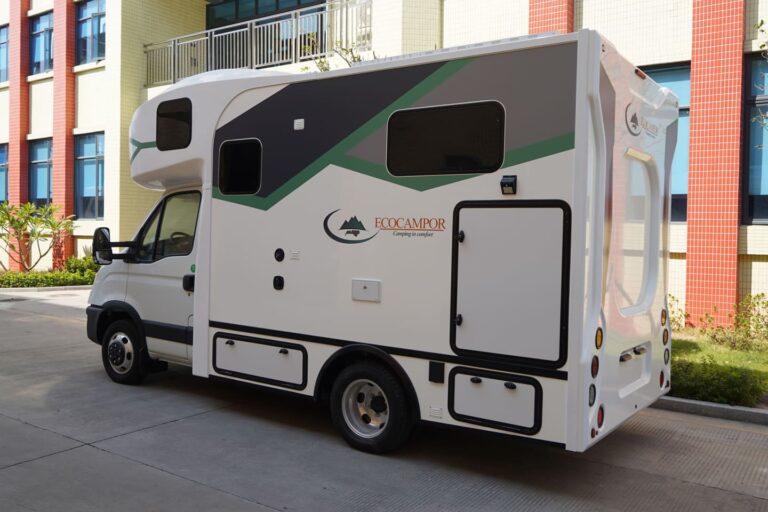
Motorhomes are fully self-propelled RVs that combine the driving cab and living quarters into one seamless unit. No extra trailer or tow vehicle is required, making them incredibly convenient for spontaneous trips – just hop in the driver's seat and go, with your kitchen, bedroom, and bathroom always right behind you.

For dealers, importers and wholesale buyers. Tell us your target market, preferred models and estimated quantity to discuss your product range.
Tell us about your market and the camper trailer models you need. Start a conversation about your next product range.
Prefer email?
tom@ecocampor.com
Start with your customers' camping style, typical tow vehicles and expected terrain. Compare packed size, setup steps, sleeping layout and equipment across the shortlisted models. A compact weekend camping product and a trailer intended for longer trips may need different configurations, so build your range around clearly defined use cases.
Request the trailer's configured weight, maximum permitted loaded weight and hitch-load information. Match these to the exact tow vehicle, coupling, braking and towing limits in your market. Allow for passengers, luggage and added equipment in the tow vehicle as well as supplies carried in the trailer.
Describe the actual routes and operating conditions you expect customers to encounter. Review ground clearance, chassis construction, suspension, tyres, coupling and load limits for the selected model. Ask which operating conditions the specification covers; an off-road description alone does not establish suitability for every surface or load.
Ask for a model-specific setup sequence, including stabilising, opening any folding sections and connecting the equipment. Check the space needed around the trailer when fully deployed. Your sales team should be able to explain both the towing configuration and the campsite layout using the actual model rather than a generic setup-time claim.
Review bed measurements, access and the use of convertible seating or folding sections. A stated sleeping capacity does not show how the space works for a particular family. Request the relevant floor plan and identify which beds remain available when kitchen, storage and other equipment are in use.
Confirm the construction and care requirements of the selected model's roof, seals and any fabric sections. Request instructions for drying, ventilation and storage after a trip. Include these steps in dealer handover materials, and review maintenance needs for your local climate before choosing the specification.
List the appliances, expected trip length and likely access to campsite power and water. Ask for a configuration that identifies included equipment, optional upgrades and their effect on weight and storage. Confirm electrical compatibility with the destination market before finalising your dealer specification.
Send your company details, destination, shortlisted models and expected quantity. Describe your customers' camping use, required equipment and any private-label requests. Ask for the model specification, packing or transport arrangement, order terms and proposed schedule to be reviewed together so you can compare quotations on a consistent basis.