

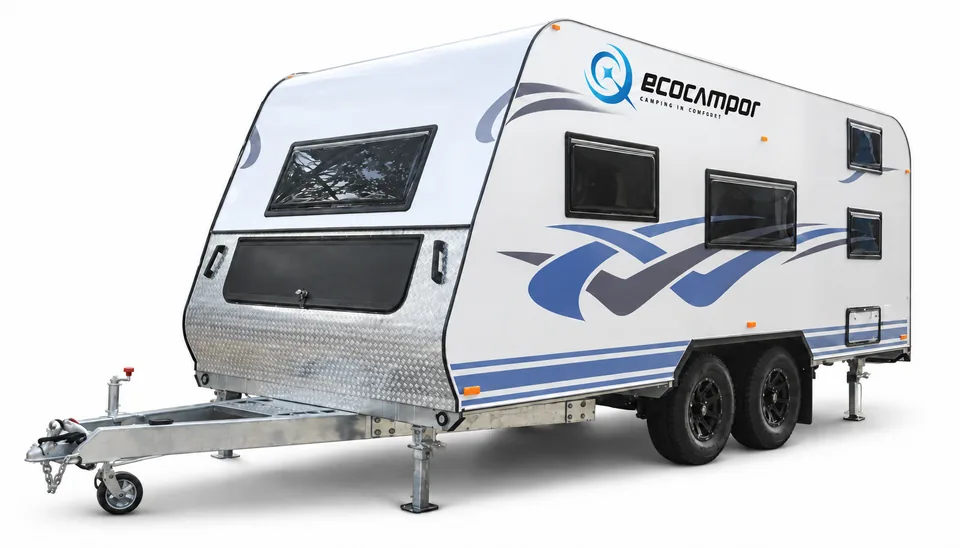
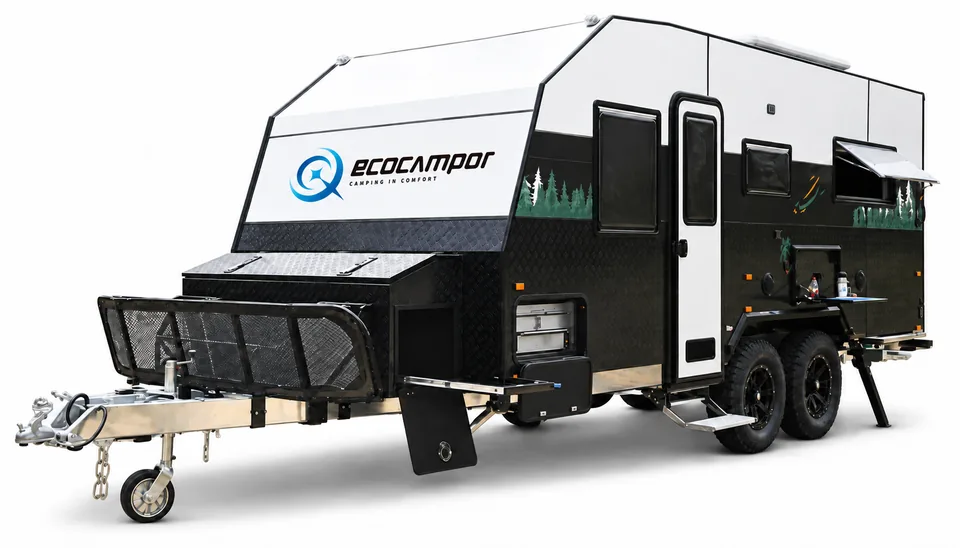
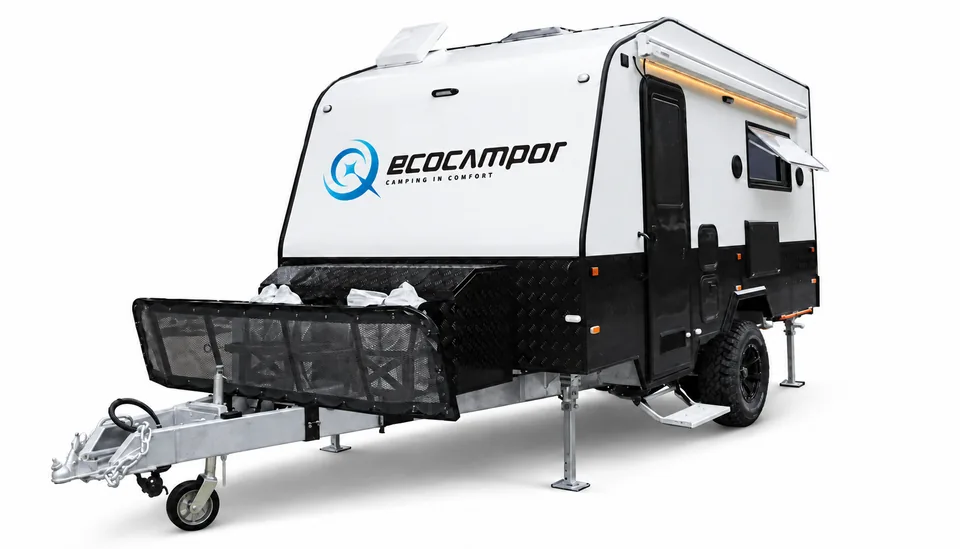
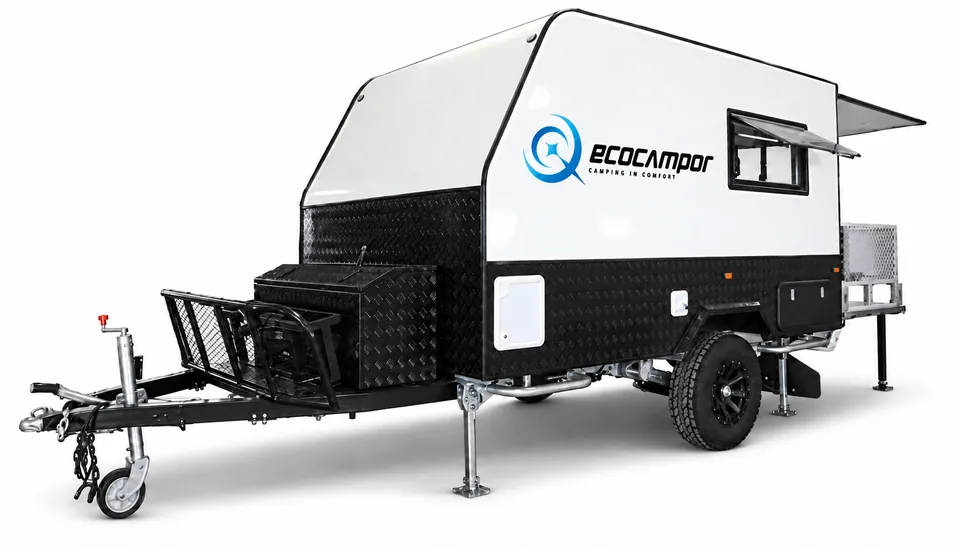
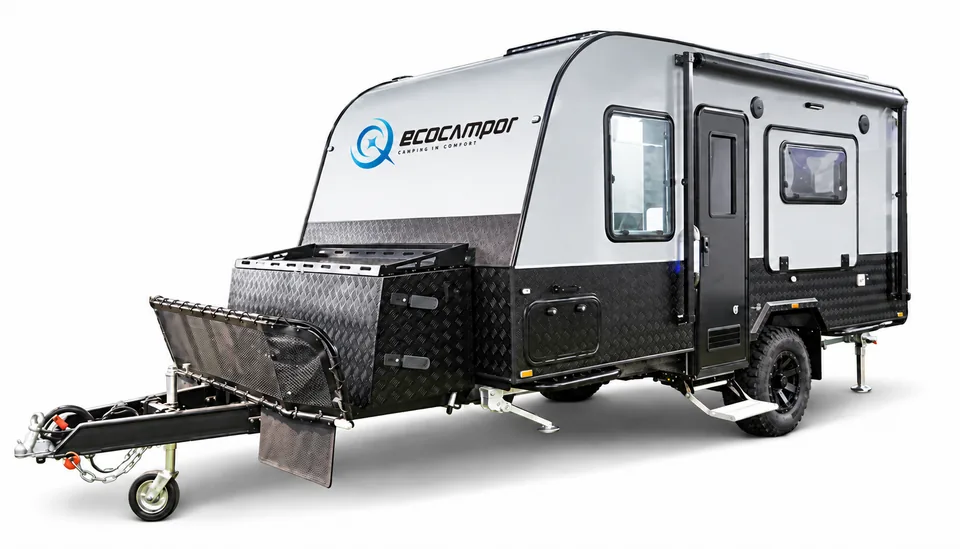

Ecocampor RV Collection
Caravans, pop-tops and toy haulers for your dealer range.
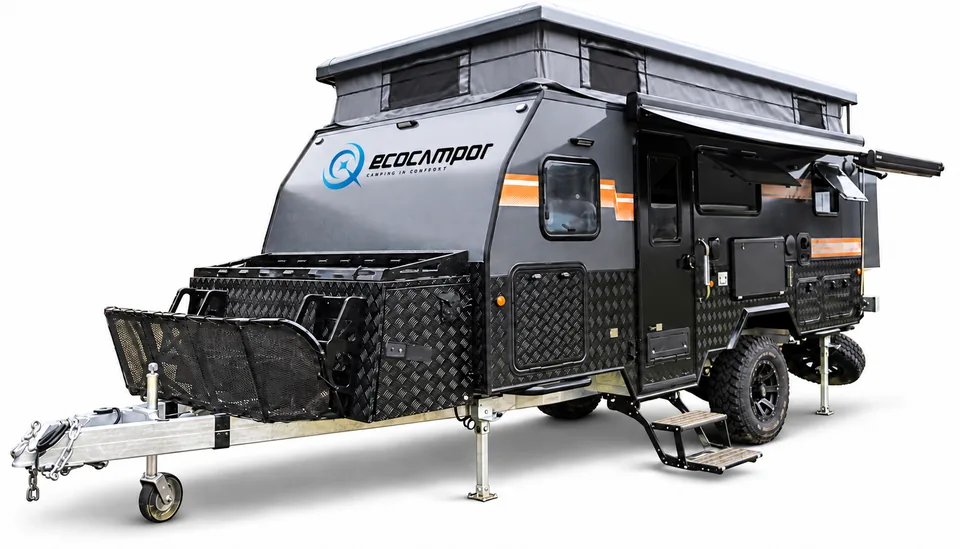
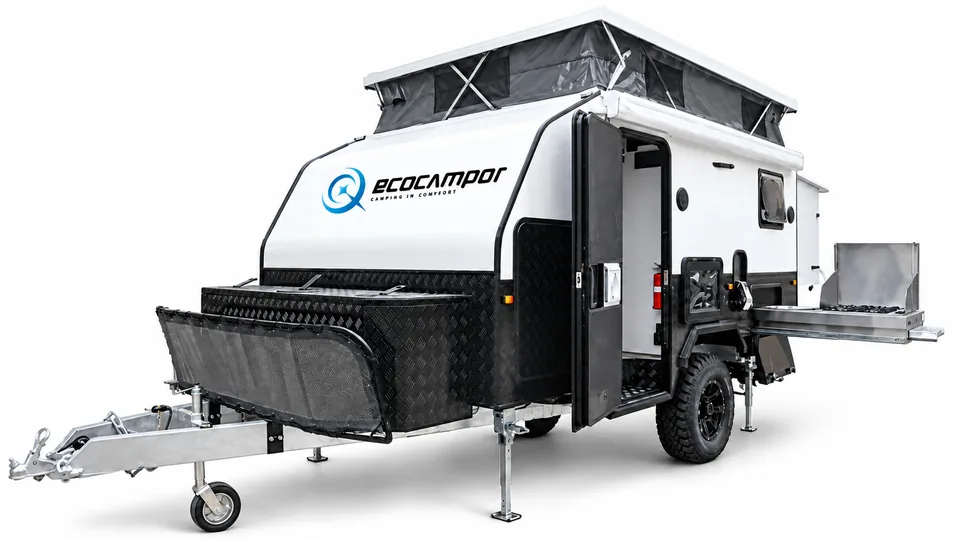
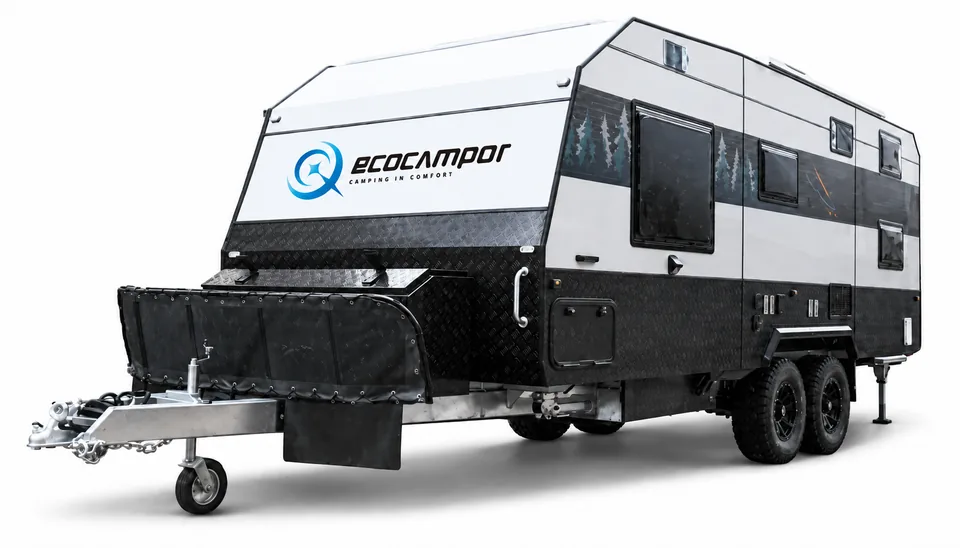
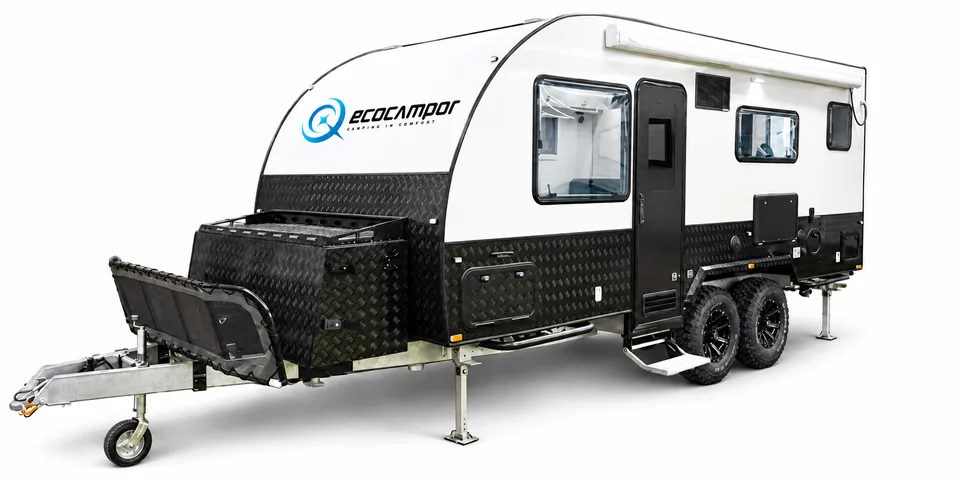
Compare fixed-roof caravans, pop-top layouts and toy haulers by living space, exterior dimensions and tare weight.
Review each model’s floor plan and equipment, then discuss the configuration and branding requirements for your market.
1,750–2,860 kg
5,674–8,908 mm
Fixed-roof / pop-top / toy hauler
3–6 peopleDepending on model and configuration.
Sleeping capacity
5 people
Sleeping capacity
6 people
Sleeping capacity
4 people
Sleeping capacity
5 people
Sleeping capacity
4 people
Sleeping capacity
4 people
Sleeping capacity
6 people
Sleeping capacity
4 people
Sleeping capacity
3 people
Compare quotations on the same basis: model, included equipment, order quantity, branding and packing. Confirm the specification and delivery terms with our team before placing your order.
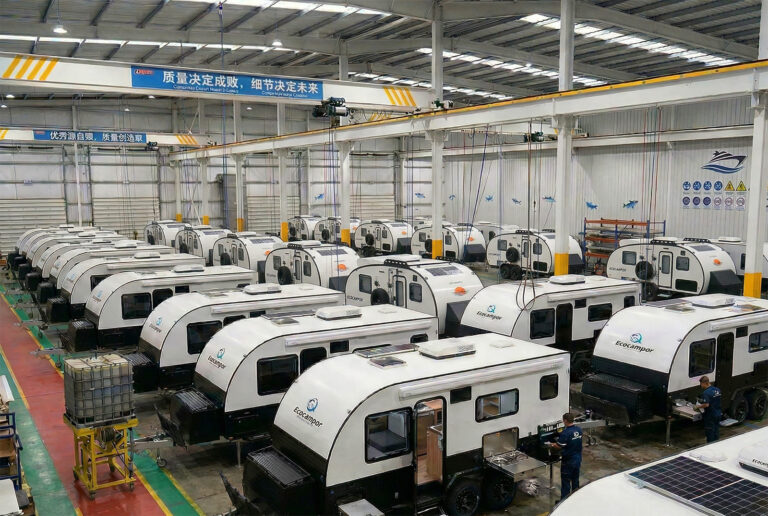
See the factory areas and production activities behind the range. Discuss the model, order quantity and production schedule relevant to your project.
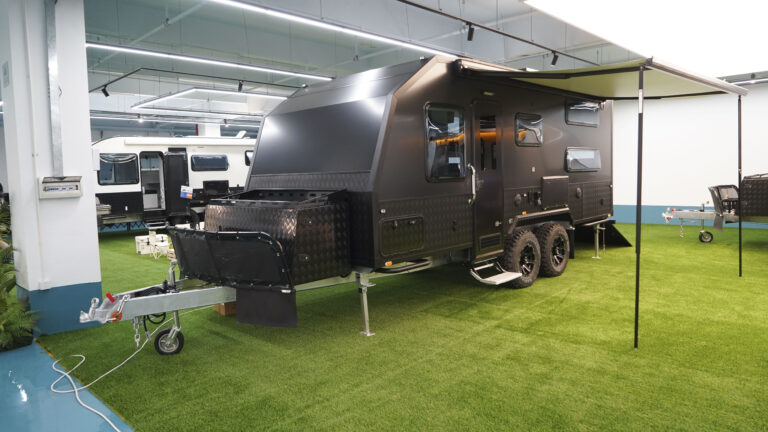
Review available models, floor plans and equipment arrangements. Use your shortlist to discuss fit, specifications and configuration with our team.
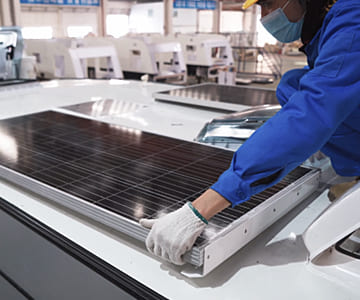
Discuss the inspection points and operating checks for your selected model. Confirm which records and acceptance requirements form part of your order.
Compare quotations using the same model, equipment, order quantity and packing requirements. Confirm the specification and delivery terms with our team.
Five stages to review when specifying your camper. Construction and equipment details vary by model and agreed configuration.
Watch a robotic welding operation at Ecocampor’s manufacturing facility in Foshan, China. This footage shows a robotic welding cell working on a chassis fixture as part of selected RV and trailer production processes. Manufacturing methods, fixtures and specifications vary by model and project.

The frame establishes the caravan's dimensions and openings. Review the body construction, door positions and window layout alongside the floor plan.

Wall and roof assemblies enclose the living space. Confirm the panel construction, insulation, seals and exterior finish for the selected model.

Furniture, beds, storage and kitchen equipment follow the agreed layout. Review access, usable space and the equipment list before approving the configuration.

Electrical, water and fitted equipment are brought together during final assembly. Confirm the inspection scope, operating checks and delivery documentation for your order.
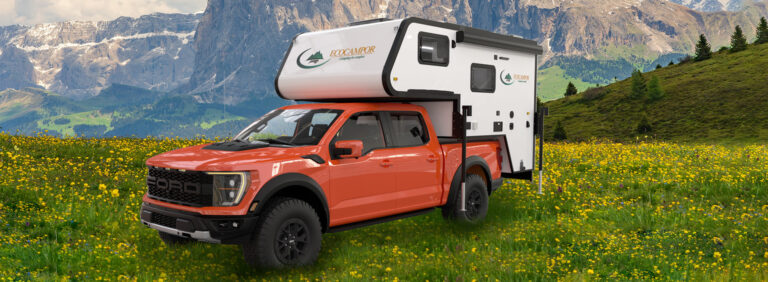
Browse model layouts, dimensions and equipment in one place. Use the catalogue to build your shortlist.
Explore pickup-mounted campers. Compare body dimensions, tare weight and layout, then confirm fitment for the intended vehicle.
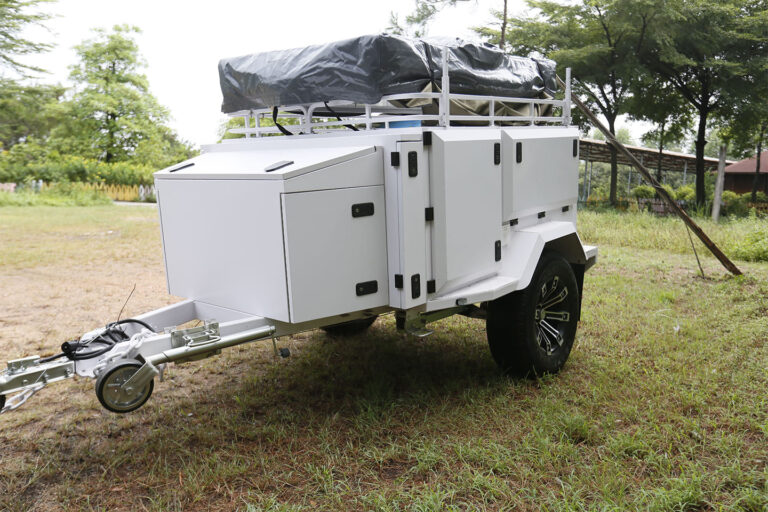
Explore tent and folding campers with model-specific sleeping, kitchen and storage arrangements.
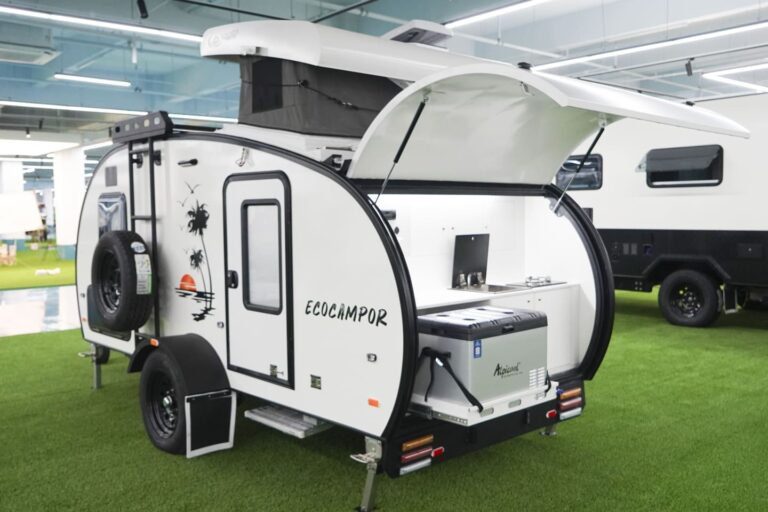
Compare compact campers by cabin space, sleeping layout and kitchen arrangement. Equipment and rooftop options vary by model.
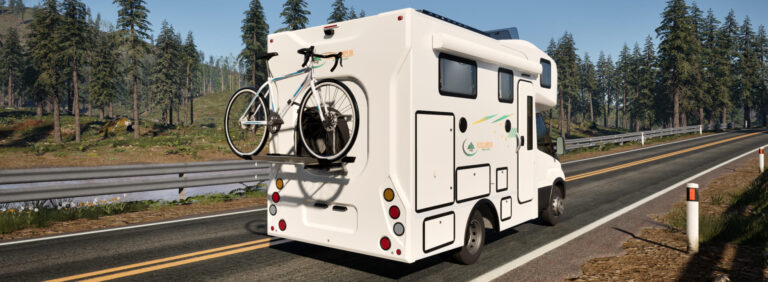
Explore self-propelled RV layouts that combine the cab and living area. Review chassis, dimensions and equipment for the selected model.

For dealers, importers and wholesale buyers. Tell us your target market, preferred models and estimated quantity to discuss your product range.
Tell us about your market and the travel trailer models you need. Start a conversation about your next product range.
Prefer email?
tom@ecocampor.com
Define your target customers and compare sleeping arrangements, seating, kitchen access, bathroom layout and storage. Check how the interior works both during the day and with all beds in use. Request model-specific floor plans so your sales team can explain the trade-offs between family layouts, couples' layouts and additional living space.
Length labels can refer to different measurements, so request both body length and overall length including the drawbar and fitted rear equipment. Use the overall travel dimensions for parking and transport planning. Keep these measurements clearly labelled in your dealer specification sheets to avoid confusion between models.
Use the selected trailer's loaded-weight limit and hitch-load information together with the exact tow vehicle's manufacturer guidance. Consider passengers, cargo and accessories in the vehicle as well as the loaded trailer. Dry weight alone is not enough to confirm a suitable towing combination.
Fixed beds reduce daily conversion, while convertible layouts can make one area serve more than one purpose. Compare the actual bed dimensions, access and remaining seating or storage in each floor plan. Dealers should explain the setup involved and show customers how the interior functions when every berth is occupied.
Request an itemised specification for each quoted travel trailer, covering the kitchen, bathroom, water system, electrical equipment and furniture. Identify upgrades separately and check their effect on weight, space and power requirements. Use the agreed configuration as the basis for your price comparison and customer-facing equipment list.
Ask for the proposed axle, suspension, braking, coupling, wheel and tyre specifications for the selected model and load rating. Review these alongside the destination market's requirements with your local compliance adviser. Request applicable documentation for the actual configuration rather than assuming one approval covers every trailer or country.
Provide the expected temperature range, use pattern and available power supply. Ask for details of insulation, ventilation and any proposed heating or cooling equipment. Confirm what the selected package is designed to support before making seasonal-use claims; a generic all-season description is not a substitute for a defined specification.
Share your company and destination, preferred floor plans, estimated quantity and required equipment. Include branding requests, transport constraints and your target purchasing schedule. Ask for the configuration, order terms, applicable documentation and proposed production timing to be confirmed in the quotation before planning your stock launch.